Enhance Performance with ECU Calibration Techniques
- Jake Tanner

- 3 hours ago
- 4 min read
In the world of automotive performance, the Engine Control Unit (ECU) plays a pivotal role. It is the brain of your vehicle, managing everything from fuel injection to ignition timing. Properly calibrating the ECU can significantly enhance your vehicle's performance, fuel efficiency, and overall driving experience. In this blog post, we will explore various ECU calibration techniques, their benefits, and how they can transform your vehicle into a high-performance machine.

Understanding ECU Calibration
ECU calibration involves adjusting the settings and parameters within the ECU to optimize engine performance. This process can include modifying fuel maps, ignition timing, and other critical engine functions. The goal is to ensure that the engine operates at its best under various conditions.
Why is ECU Calibration Important?
Performance Improvement: By fine-tuning the ECU, you can achieve better throttle response, increased horsepower, and improved torque.
Fuel Efficiency: Proper calibration can lead to better fuel economy, saving you money at the pump.
Emissions Control: A well-calibrated ECU can help reduce harmful emissions, making your vehicle more environmentally friendly.
Adaptability: Calibration allows the ECU to adapt to different driving conditions, such as altitude changes or modifications to the vehicle.
Types of ECU Calibration Techniques
There are several techniques used in ECU calibration, each with its unique advantages. Here are some of the most common methods:
1. Dyno Tuning
Dyno tuning involves using a dynamometer to measure the engine's performance while making adjustments to the ECU. This method provides real-time feedback, allowing for precise tuning.
Pros: Accurate performance data, ability to test various conditions.
Cons: Requires specialized equipment and can be costly.
2. Flash Tuning
Flash tuning is a method where the ECU's software is modified directly. This can be done using a handheld tuner or a laptop connected to the vehicle.
Pros: Quick and easy to implement, can be done at home.
Cons: May void warranties and can lead to potential issues if not done correctly.
3. Piggyback Systems
Piggyback systems are additional devices that work alongside the ECU to modify signals and improve performance. They can be a good option for those who want to enhance performance without fully replacing the ECU.
Pros: Non-invasive, easy to install.
Cons: May not provide the same level of performance as a full ECU tune.
4. Standalone ECUs
For serious performance enthusiasts, standalone ECUs offer complete control over engine parameters. These systems replace the factory ECU and allow for extensive customization.
Pros: Maximum control and flexibility, ideal for racing applications.
Cons: Expensive and requires advanced knowledge to install and tune.
Steps to Perform ECU Calibration
If you're considering ECU calibration, here are the general steps you should follow:
Step 1: Gather Necessary Tools
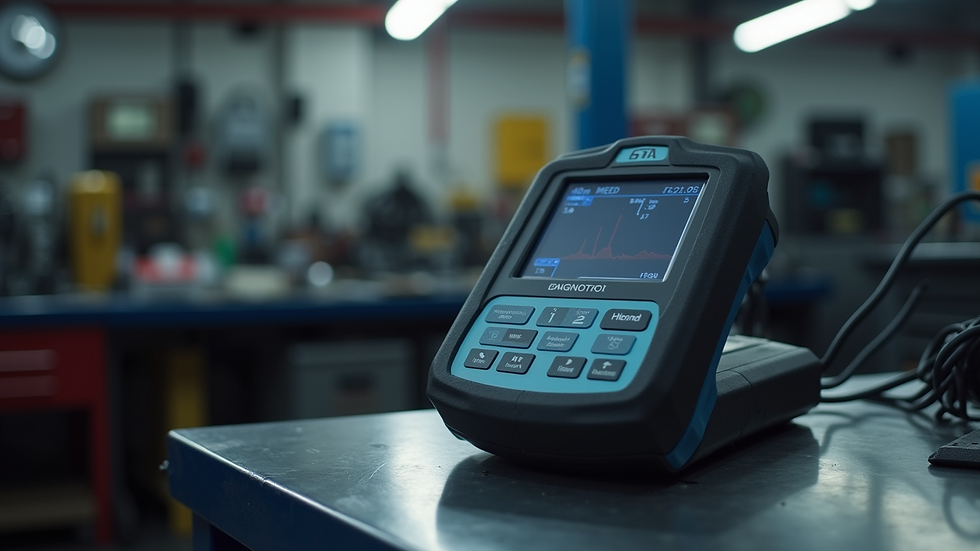
Before starting, ensure you have the right tools, including a laptop, tuning software, and a diagnostic tool. Depending on the calibration method, you may also need a dynamometer.
Step 2: Backup Original Settings
Always back up the original ECU settings before making any changes. This allows you to revert to the factory settings if needed.
Step 3: Make Adjustments
Using your chosen calibration method, begin making adjustments to the ECU. Focus on key parameters such as fuel maps and ignition timing.
Step 4: Test and Monitor
After making adjustments, test the vehicle under various conditions. Monitor performance metrics such as horsepower, torque, and fuel efficiency.
Step 5: Fine-Tune
Based on your testing, continue to make fine-tuning adjustments until you achieve the desired performance.
Benefits of ECU Calibration
The benefits of ECU calibration extend beyond just performance. Here are some key advantages:
Enhanced Driving Experience: A well-calibrated ECU can provide a smoother and more responsive driving experience.
Increased Longevity: Proper tuning can reduce engine wear and tear, extending the life of your vehicle.
Customization: Calibration allows you to tailor your vehicle's performance to your specific driving style and preferences.
Common Misconceptions About ECU Calibration
Despite its benefits, there are several misconceptions surrounding ECU calibration. Here are a few:
Misconception 1: It’s Only for Racing Cars
While many racing enthusiasts use ECU calibration to maximize performance, everyday drivers can also benefit from tuning. Improved fuel efficiency and responsiveness can enhance daily driving experiences.
Misconception 2: It’s Too Complicated
With advancements in technology, ECU calibration has become more accessible. Many user-friendly tuning tools are available, making it easier for car enthusiasts to perform their own calibrations.
Misconception 3: It Will Void My Warranty
While some modifications may void warranties, many manufacturers allow for tuning as long as it is done correctly. Always check with your manufacturer before proceeding.
Conclusion
ECU calibration is a powerful tool for enhancing vehicle performance, improving fuel efficiency, and customizing your driving experience. Whether you choose dyno tuning, flash tuning, or a standalone ECU, the right calibration technique can transform your vehicle into a high-performance machine.
As you consider ECU calibration, remember to do your research, choose the right method for your needs, and always prioritize safety. With the right approach, you can unlock the full potential of your vehicle and enjoy a driving experience like never before.
Take the next step in enhancing your vehicle's performance by exploring ECU calibration options today!

Comments